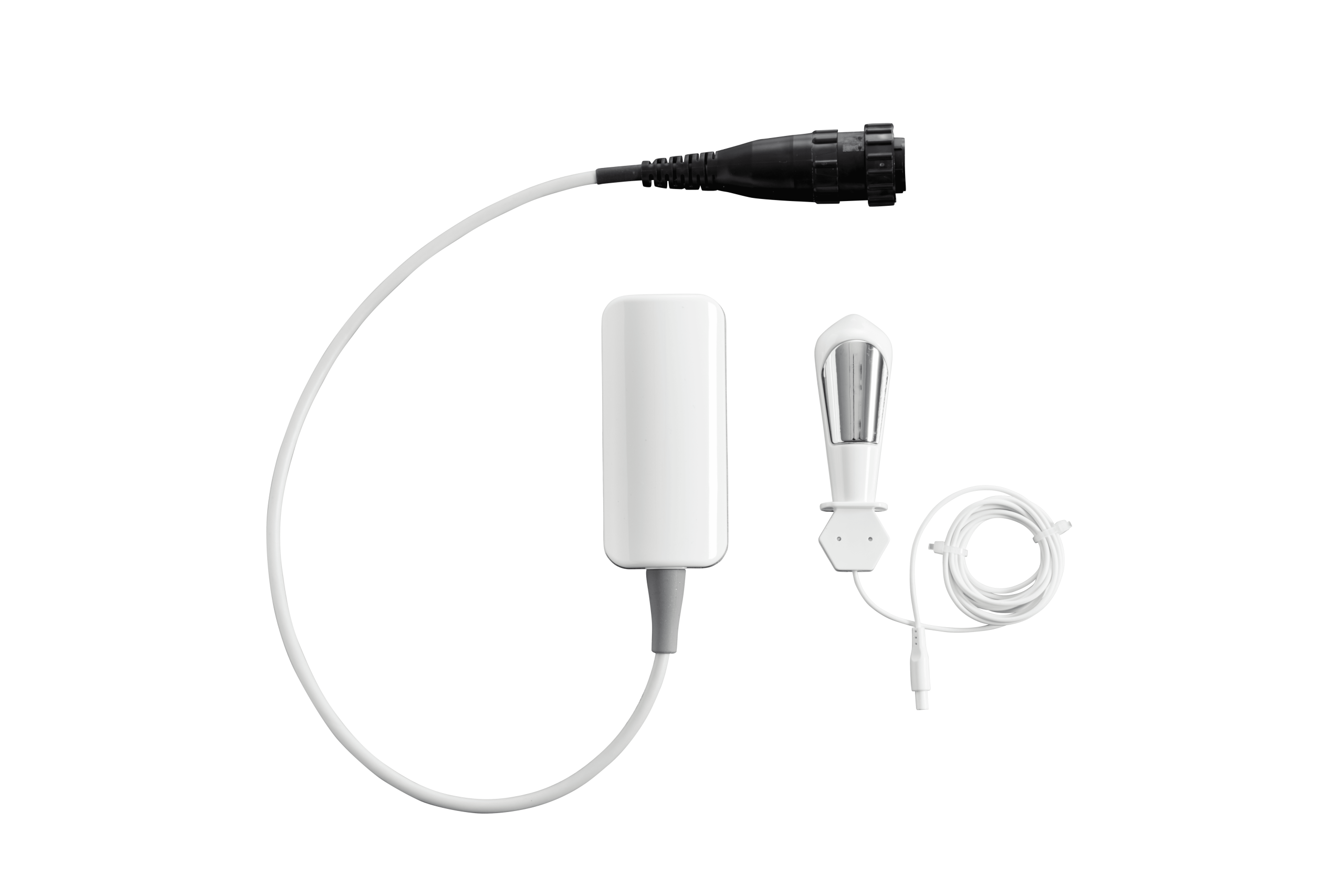
VTone uses intravaginal neuromuscular electrical stimulation (NMES) to rehabilitate the pelvic floor musculature. By delivering controlled electrical impulses directly to the levator ani and associated pelvic floor muscles, VTone induces involuntary muscle contractions — effectively performing targeted pelvic floor physiotherapy in a clinical setting.
Stress Urinary Incontinence
Weakness in the pelvic floor and urethral sphincter allows leakage during physical exertion, coughing, or sneezing. VTone strengthens the levator ani and periurethral musculature to improve urethral closure pressure and reduce SUI episodes.
Urge Urinary Incontinence
Involuntary detrusor contractions cause a sudden strong urge to urinate, often resulting in leakage before reaching the toilet. NMES programs for urge incontinence use inhibitory stimulation patterns to reduce detrusor overactivity and improve bladder control.
Mixed Urinary Incontinence
A combination of stress and urge components — the most common presentation in clinical practice. VTone's programmable stimulation parameters allow practitioners to address both aspects within a single treatment course, adjusting frequency and pulse width to target the predominant component.
Pelvic Floor Muscle Rehabilitation
Post-partum pelvic floor weakness, age-related deconditioning, and chronic pelvic floor dysfunction. VTone delivers consistent, high-quality muscle activation that is difficult to achieve with voluntary Kegel exercises alone — particularly in patients with poor neuromuscular awareness or coordination.
Combination Wellness Protocols
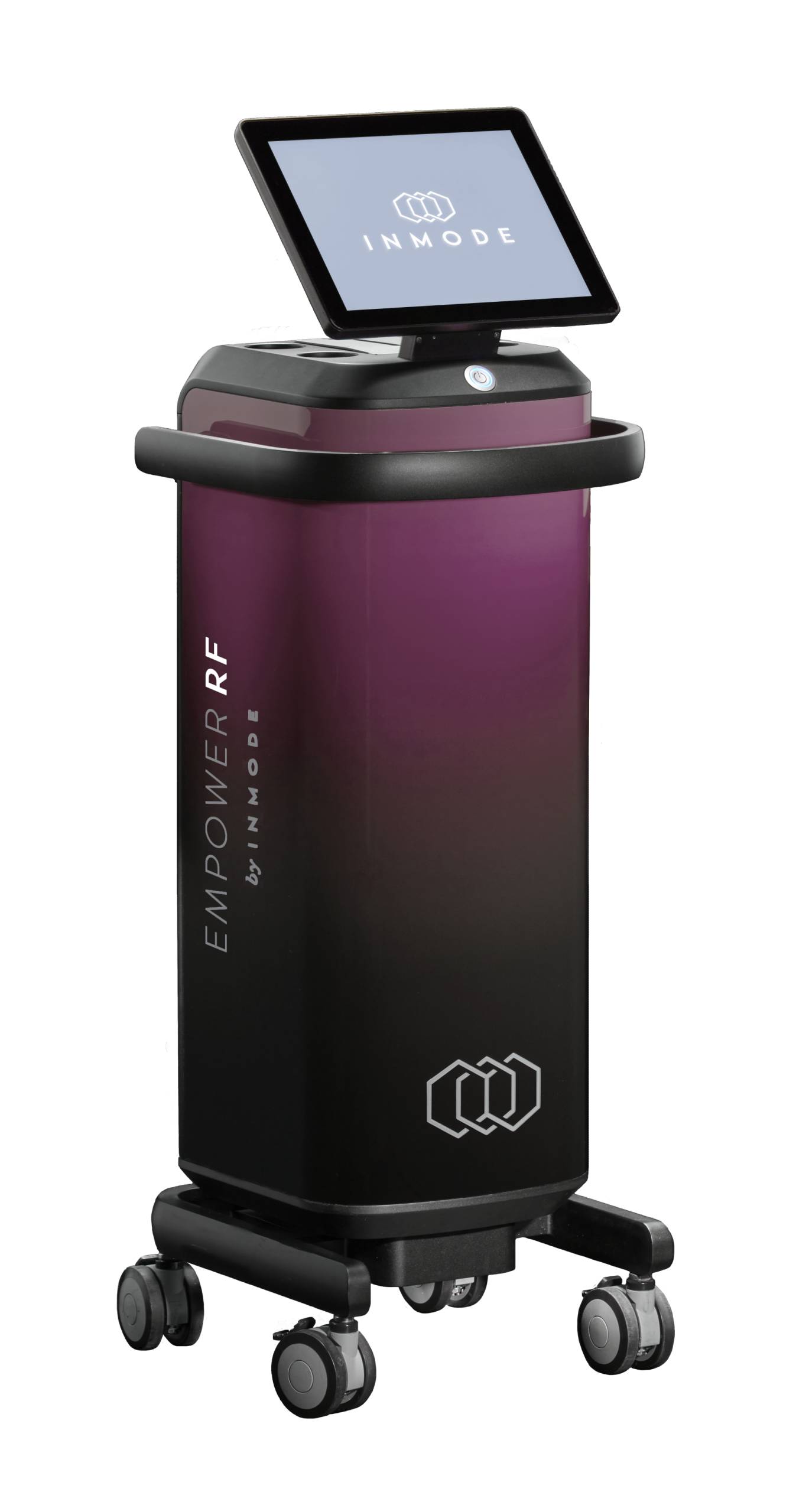
VTone is routinely combined with Morpheus8 V (fractional RF for tissue remodelling) and FormaV (RF tissue warming) on the EmpowerRF platform. In combination protocols, FormaV is typically performed first to increase tissue perfusion, followed by Morpheus8 V, with VTone used in alternating sessions for muscle rehabilitation.
Treatment Parameters
VTone treatment parameters are adjusted on the EmpowerRF workstation display. Program selection is based on the predominant incontinence type. Intensity is patient-guided — the practitioner increases the level until the patient feels a strong but comfortable contraction, without pain.
Indication
Program Type
Frequency
Pulse Width
Session Duration
Stress Incontinence
Strengthening / Excitatory
35 – 50 Hz
200 – 300 µs
20 – 30 min
Urge Incontinence
Inhibitory
5 – 10 Hz
100 – 200 µs
20 – 30 min
Mixed Incontinence
Combined Program
Alternating phases
Adjustable
20 – 30 min
Pelvic Floor Rehabilitation
Strengthening / Endurance
20 – 50 Hz
200 – 300 µs
20 – 30 min
Treatment Course
A standard VTone treatment course consists of 6–8 sessions performed twice weekly, typically over 3–4 weeks. Results are progressive — patients commonly report meaningful improvement from session 4 onward. A maintenance session every 4–8 weeks is recommended following completion of the initial course, alongside continued at-home pelvic floor exercises.
Important Clinical Notes
Always use single-use disposable probe covers with each VTone session. The intensity should be increased gradually to patient tolerance — strong contraction without pain is the target endpoint. Do not treat during menstruation or active vaginal infection. Patients with implanted electronic devices (pacemakers, neurostimulators) are contraindicated. Ensure the patient empties their bladder immediately before each treatment session for comfort.
Technical Specifications
Core technical parameters for the VTone intravaginal EMS handpiece. Contact your Stern Aesthetic Solutions representative for full clinical documentation.
Stress, Urge, Mixed, Rehabilitation — selectable on EmpowerRF display
Session Duration
20 – 30 minutes per session
Treatment Course
6–8 sessions, 2x per week; maintenance every 4–8 weeks
Anaesthesia Required
None — treatment is comfortable at therapeutic intensities
Downtime
None — patients resume normal activity immediately
Contraindications
Implanted electronic devices, active vaginal/pelvic infection, menstruation, pregnancy
Consumables
Single-use disposable probe covers (required per session)
Compatible Workstation
EmpowerRF
FAQs
Common questions about VTone treatment. Contact Stern Aesthetic Solutions for clinical guidance specific to your practice.
Kegel exercises rely on the patient's ability to voluntarily isolate and activate the correct pelvic floor muscles — a skill many women struggle with, particularly post-partum or with age-related deconditioning. VTone bypasses this requirement by delivering electrical stimulation that induces involuntary muscle contractions, ensuring the correct muscles are activated at the right intensity, every session. The stimulation also achieves a greater number of high-quality contractions per session than is typically possible voluntarily, accelerating neuromuscular rehabilitation.
VTone is generally well-tolerated. Patients describe the sensation as a pulsing or squeezing feeling — similar to a strong voluntary muscle contraction. Intensity is always patient-guided; the practitioner increases the level progressively until the patient feels a strong but comfortable contraction without pain. No anaesthesia is required and most patients are comfortable throughout the 20–30 minute session. A mild muscle fatigue sensation in the pelvic floor is normal after treatment.
Most patients begin to notice improvement from session 4 onward, with the most significant gains typically experienced after completing the full 6–8 session course. Results continue to develop for several weeks post-treatment as neuromuscular adaptation consolidates. The speed of improvement varies based on the severity of the presenting condition, patient age, and adherence to any supplementary at-home pelvic floor exercise program.
Yes. VTone is commonly incorporated into comprehensive EmpowerRF combination protocols alongside Morpheus8 V and FormaV. In a same-session combination, FormaV is typically performed first (tissue warming and RF remodelling), followed by Morpheus8 V if included, and VTone last for muscle rehabilitation. Alternatively, VTone sessions can be scheduled on alternating weeks between Morpheus8 V treatments to allow tissue recovery after fractional RF while maintaining consistent pelvic floor stimulation.
VTone is contraindicated in patients with implanted electronic devices such as pacemakers or neurostimulators, active vaginal or pelvic infection, current menstruation, and during pregnancy. Patients with metal IUDs should seek clarification from their gynaecologist before proceeding. Patients who have had recent pelvic or vaginal surgery should be assessed by their surgeon before commencing treatment.
Platform Compatibility
Compatible Workstation
VTone is exclusively compatible with the EmpowerRF workstation by InMode — the dedicated women's wellness platform available through Stern Aesthetic Solutions.